


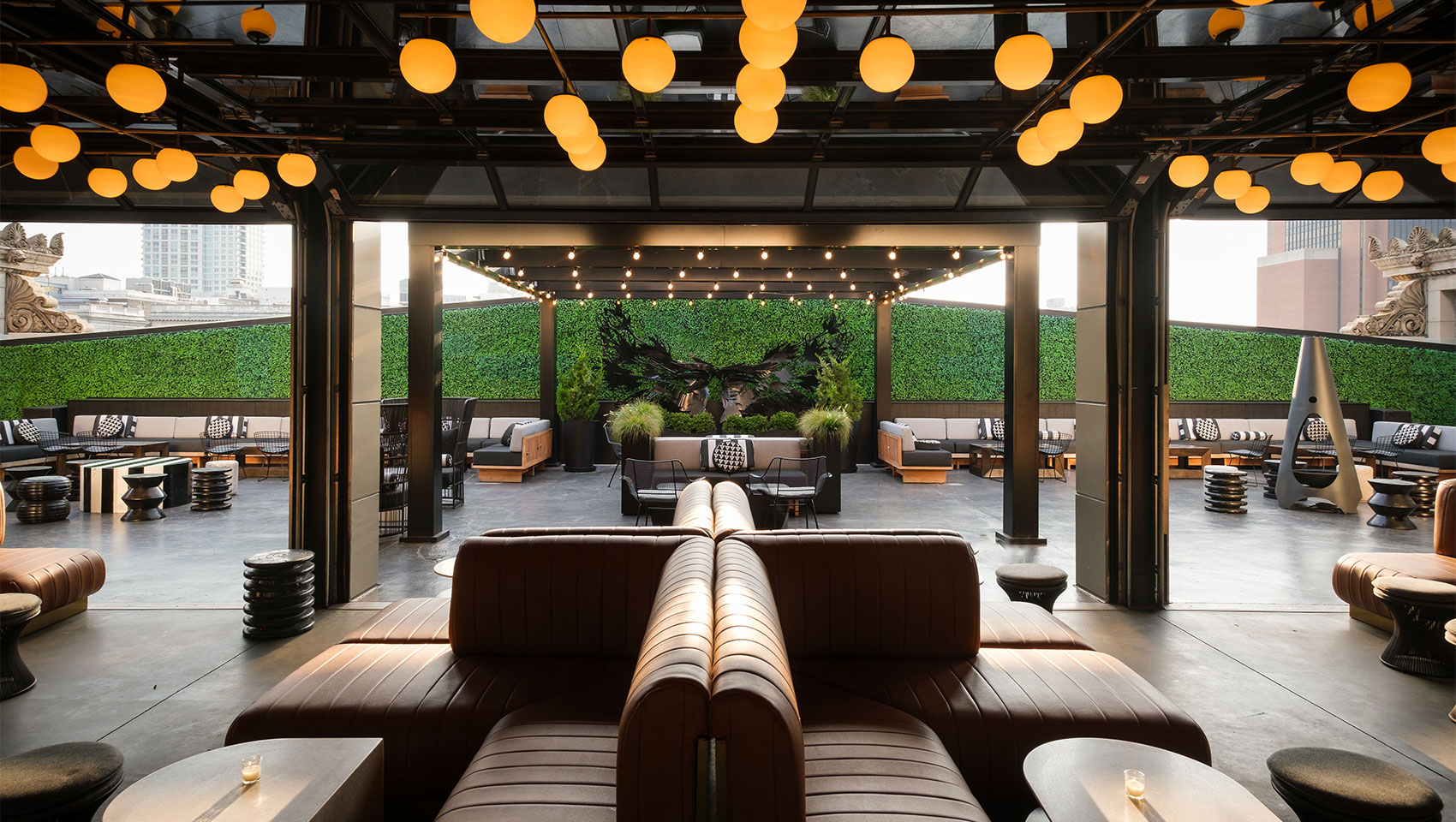
Most hotel owners spend years on the physical build. The architecture. The finishes. The restaurant concept. The rooftop bar design. Every detail of the guest experience gets obsessed over, budgeted for, and refined until it is exactly right.
Then, somewhere in the final stretch before opening day, the marketing plan gets written. Quickly. Often by whoever is available. Usually without a clear revenue framework behind it. And almost always too late.
The pre-opening marketing plan is not a launch announcement. It is not a social media calendar or a press release schedule. Done correctly, it is the document that determines whether your hotel opens to momentum or opens to silence. The difference between those two outcomes is not the quality of your property. It is the quality of your plan.
The Window You Cannot Get Back
There is a specific window in the life of every hotel that is more valuable than any other. It is the period before opening day when travelers are discovering your property for the first time, forming their first impressions, and deciding whether to add you to their consideration set.
You only get one first impression. Once you open, the market has already formed a view of who you are and where you fit. Properties that do the work before opening day shape that view intentionally. Properties that do not inherit whatever perception happens to form on its own.
The pre-opening window is also when the major search and AI platforms are indexing your property for the first time. Your Google Business Profile, your OTA listings, your website structure, and your review foundation all begin establishing your digital authority during this period. A property that arrives on those platforms fully formed — complete listings, strong content, optimized structure — starts the race ahead of one that builds these things reactively after opening.
Where Pre-Opening Budgets Go Wrong
The hospitality industry has a well-documented tendency to spend pre-opening marketing budgets in the wrong places. Not because the people spending them are careless, but because the vendors who capture those budgets are very good at making their services feel essential.
Brand guides. Logo systems. Photography packages that cost more than six months of paid media. PR retainers that begin six months before there is anything to generate coverage about. Social media content produced for a property that has no guests yet and no story to tell.
None of these are inherently wrong. A strong brand identity matters. Professional photography matters. But the sequencing and weighting of the budget relative to what actually drives a booking is where most pre-opening plans break down.
The question every hotel owner should be asking at every line item of the pre-opening marketing budget is straightforward: will this drive a booking, or will this support something that drives a booking? If the honest answer is neither, that budget belongs somewhere else.
What a Revenue-First Pre-Opening Plan Looks Like
A pre-opening marketing plan built around revenue rather than activity starts with one question: what does a guest need to see, find, and experience digitally in order to book this property on opening day?
Working backward from that question produces a very different budget and timeline than working forward from a list of marketing deliverables.
The digital infrastructure needs to be in place before any awareness campaigns run. This means a website with a functioning booking engine, clear rate structure, and optimized content. It means complete and verified OTA listings on every platform your guest type uses. It means a Google Business Profile that is fully populated, verified, and connected to your booking engine. It means structured data markup on your website that tells search engines and AI platforms exactly what type of property you are.
None of this is glamorous work. None of it produces anything a designer would put in a portfolio. But it is the foundation that every dollar of awareness spend builds on. Run awareness campaigns before this infrastructure exists and you are paying to send travelers to a dead end.
Once the infrastructure is in place, the paid media can begin. Google Search campaigns targeting branded and destination intent queries should launch at least 60 days before opening to build quality score and campaign learning before you need them to perform. Retargeting campaigns should be set up and ready to fire the moment your website begins receiving traffic.
The Food and Beverage Layer
A hotel with a restaurant, rooftop bar, or significant food and beverage program has a pre-opening marketing opportunity that pure accommodation properties do not. It also has a pre-opening marketing risk that most teams underestimate.
The opportunity is that a compelling food and beverage concept can build an audience and generate genuine excitement before a single room is booked. A rooftop bar with a distinctive concept in the right market can develop a following of local residents who become the social proof engine that hotel guests discover when they research the property. A restaurant with a chef-driven concept can generate press coverage, influencer interest, and word of mouth that functions as awareness marketing for the entire property.
The risk is that food and beverage and hotel are two different businesses with two different audiences, two different booking behaviors, and two different digital presences. Properties that treat them as one thing in their pre-opening plan consistently underinvest in one or the other.
A hotel guest books based on location, price, amenities, and reviews. A restaurant guest books based on concept, menu, atmosphere, and word of mouth. The pre-opening plan needs to address both audiences specifically, not assume that marketing the restaurant will fill rooms or that marketing the hotel will fill covers.
Practically this means separate digital presences for the food and beverage operation. A Google Business Profile specifically for the restaurant or bar, separate from the hotel profile. An OpenTable or Resy presence established and optimized before opening. A distinct social presence if the concept is strong enough to warrant it. And a paid media strategy that targets restaurant reservation intent separately from hotel booking intent.
The properties that get this right — that treat the restaurant as a destination in its own right while connecting it to the hotel as an amenity — consistently outperform those that subordinate the F&B program to the hotel brand.
The 30/60/90 Day Framework
A pre-opening marketing plan that works has three distinct phases with specific deliverables at each stage.
Ninety days before opening, the digital infrastructure should be complete. Website live with booking engine. OTA listings complete and verified. Google Business Profile active. Structured data implemented. Photography complete and distributed across all platforms. Paid media campaigns built and in learning mode. For properties with food and beverage, the restaurant or bar presence should be separately established on every relevant platform.
Sixty days before opening, the awareness campaigns should be running. Google Search campaigns targeting destination and branded keywords. Meta campaigns reaching the relevant travel audience. For food and beverage operations, local awareness campaigns building the restaurant audience independently of the hotel. Influencer outreach should be underway for properties where that channel is appropriate, timed to produce content in the final 30 days before opening.
Thirty days before opening, the conversion focus intensifies. Retargeting campaigns targeting everyone who has visited the website. Email capture from any pre-opening interest should be converted into booking intent campaigns. OTA promotional placements for the opening period. Opening rate strategies that drive early reviews without discounting the property below its long term positioning.
On opening day, you should have bookings already in house, reviews beginning to accumulate, and a clear picture of which channels are driving cost-efficient direct bookings versus which are generating traffic without conversion.
What the First 90 Days After Opening Determine
The pre-opening plan does not end on opening day. The first 90 days of operation are when the revenue foundation either holds or reveals its gaps.
Properties with strong pre-opening digital infrastructure and a clear review strategy typically see their direct booking percentage grow during this window as organic search and AI search visibility begins compounding. Properties without it become increasingly dependent on OTA volume as the only reliable source of bookings, a dependency that becomes structurally difficult to reverse once it is established.
The 90 day post-opening plan should be written before the doors open, not after. It should specify exactly what metrics you are watching, what thresholds trigger what responses, and what the paid media strategy looks like as you move from launch promotion into steady state operation.
A hotel that opens with that level of clarity is not lucky. It is prepared.
The Cost of Getting This Wrong
The financial case for investing in a proper pre-opening marketing plan is straightforward. A hotel that opens with strong direct booking infrastructure and avoids deep OTA dependency from the start will generate meaningfully more margin per booking across the life of the asset than one that does not.
The commission savings alone on direct versus OTA bookings, compounded over months and years, represent a return on pre-opening marketing investment that makes almost any reasonable planning expenditure look small.
More importantly, the first impression a property makes on the major search and AI platforms during the pre-opening and opening window has a compounding effect on visibility and authority that is very difficult to reverse once established. A property that arrives late, incomplete, or poorly structured in those early days is playing catch-up for months.
The time to build the foundation is before the doors open. Everything after that is more expensive.
Escalante IQ is a tech-enabled hotel revenue firm working with ownership groups, developers, and management companies to drive direct revenue from day one. Our pre-opening revenue strategy service is built specifically for new hotel developments and properties with food and beverage programs. Referral only. Selective by design. escalanteiq.com


